Silver at high tide
Share
What this means for jewelry
•
Introduction
Over the past year, silver has been decisively moving out of the “accessible precious metal” category. Silver prices have reached historically high levels, driven by a combination of objective structural factors such as global perception of value, supply constraints, and sustained demand, with an element of market speculation.
For the jewelry industry, this is not abstract market noise. This article looks at what is actually happening, what the next months may look like, and why substantial silver jewelry remains a relevant and elegant long-term choice.
What is happening to silver prices
Over the past three years, silver has shown strong upward movement, with a sharp acceleration in 2025.
- Early 2025: silver traded around $29 per troy ounce
- End of 2025: prices exceeded $70 per ounce
- January 2026: silver reached an all-time high above $113–119 per ounce
This rise is the result of several overlapping factors rather than a single event.
Physical deficit
The growth has been driven primarily by a structural supply deficit, where demand continues to outpace available supply.
Global demand consistently exceeds newly mined and recycled supply. When this imbalance persists, prices become more sensitive and less forgiving to any disruption.
Persistent industrial demand
Silver is not only a jewelry metal. It plays a critical role in electronics, energy technologies, and advanced manufacturing. One of the strongest long-term drivers is solar energy, where silver remains difficult to replace without compromising efficiency. Even as industries reduce silver usage per unit, overall production volumes keep demand high.
Renewed investment interest
Periods of economic uncertainty, inflationary pressure, and geopolitical tension tend to push capital toward tangible assets. Silver often follows gold in these moments, but with stronger price swings. This renewed investor interest has added significant pressure to an already tight market.
Policy and trade factors
Recent years have seen silver discussed as a strategic resource more and more often. Trade restrictions, export controls, and shifts in national resource policies amplify market tension. When access to physical metal feels uncertain, prices react accordingly.
Short-term and medium-term outlook
The next six months
The most likely near-term scenario is continued high pricing. Corrections are possible, but a rapid return to previous low levels appears unlikely at the moment. Supply constraints and demand fundamentals remain in place.
For jewelry production, this means working with ranges rather than fixed expectations. Silver should be treated as a high-value material in planning, not a temporarily inflated one. It affects everything from manufacturing discipline to design choices.
In the final days of January and the first days of February, the market entered a correction phase after reaching record highs. Silver pulled back from its peak as part of a normal market response to rapid price acceleration. This movement reflected profit-taking and short-term repositioning rather than a breakdown of underlying fundamentals.
Importantly, the price did not collapse, but instead moved into a phase of consolidation, suggesting that the market is testing where new support levels may form. At this stage, silver remains in a process of normalization after extreme growth, with structural supply and demand factors still in place.
One to three years ahead
Looking further out, two realistic scenarios dominate.
The first is a sustained high plateau, where silver stabilizes at levels well above historical averages.
The second is a peak followed by correction, but toward a new, higher baseline rather than a full reset.
Even in more conservative projections, silver is unlikely to return to the pricing environment of the previous decade.
In both cases, silver remains structurally more expensive than it used to be.
What this means for the jewelry industry
Rising production costs
Silver now represents a more substantial portion of overall production cost. This places greater importance on material discipline. Efficient casting and careful material handling have always been a part of the profession, and now higher material value encourages even more thorough planning.
Retail prices and client perception
Retail prices have adjusted upward, and the market is learning to accept this. Silver remains significantly more accessible than gold, which reinforces its role as a precious metal of choice for clients seeking substance without entering gold pricing territory.
Silver as value
Smaller studios may feel pressure more acutely, but they also hold an advantage. When materials become expensive, meaning matters more. Clients are more willing to invest when design, concept, and craftsmanship are clearly articulated.
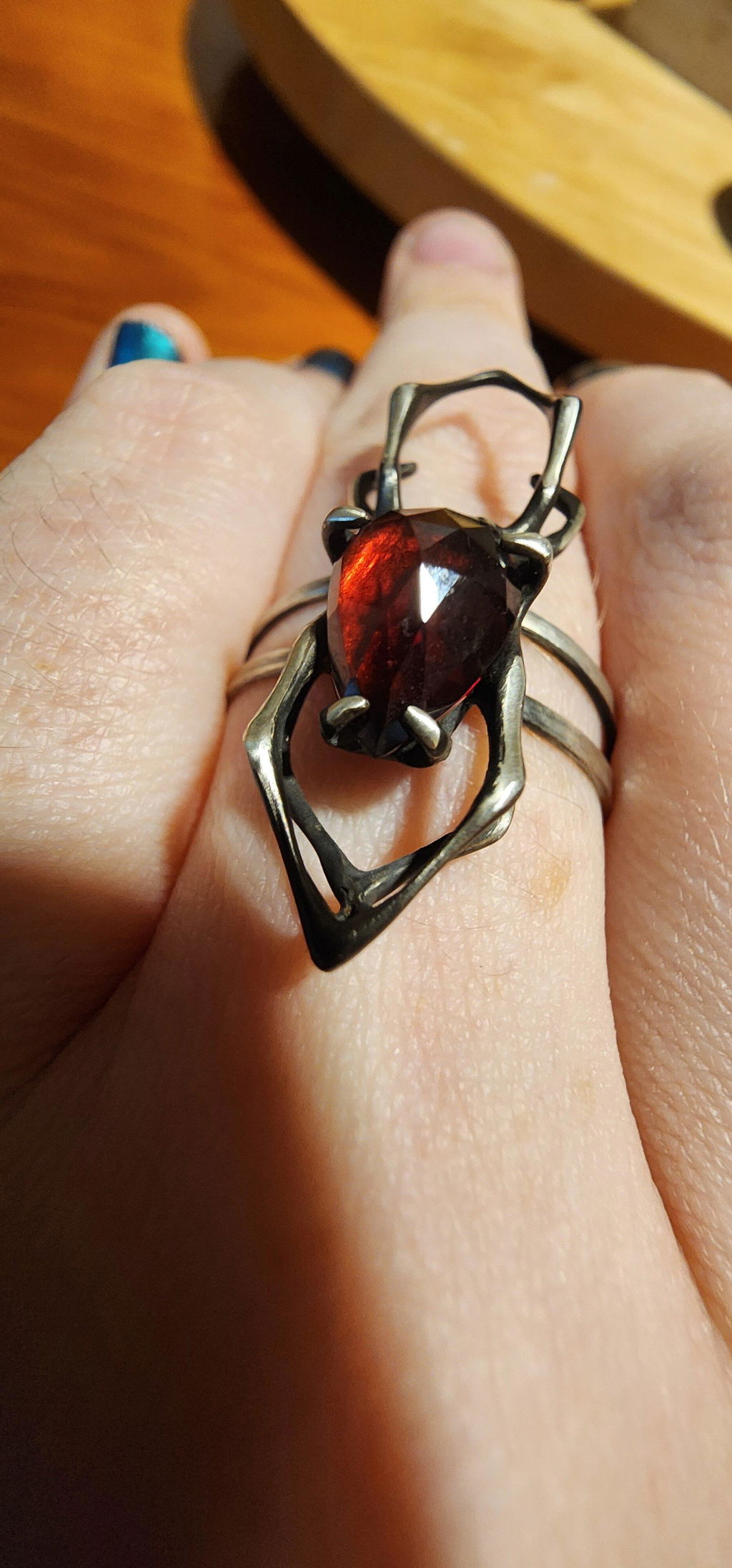
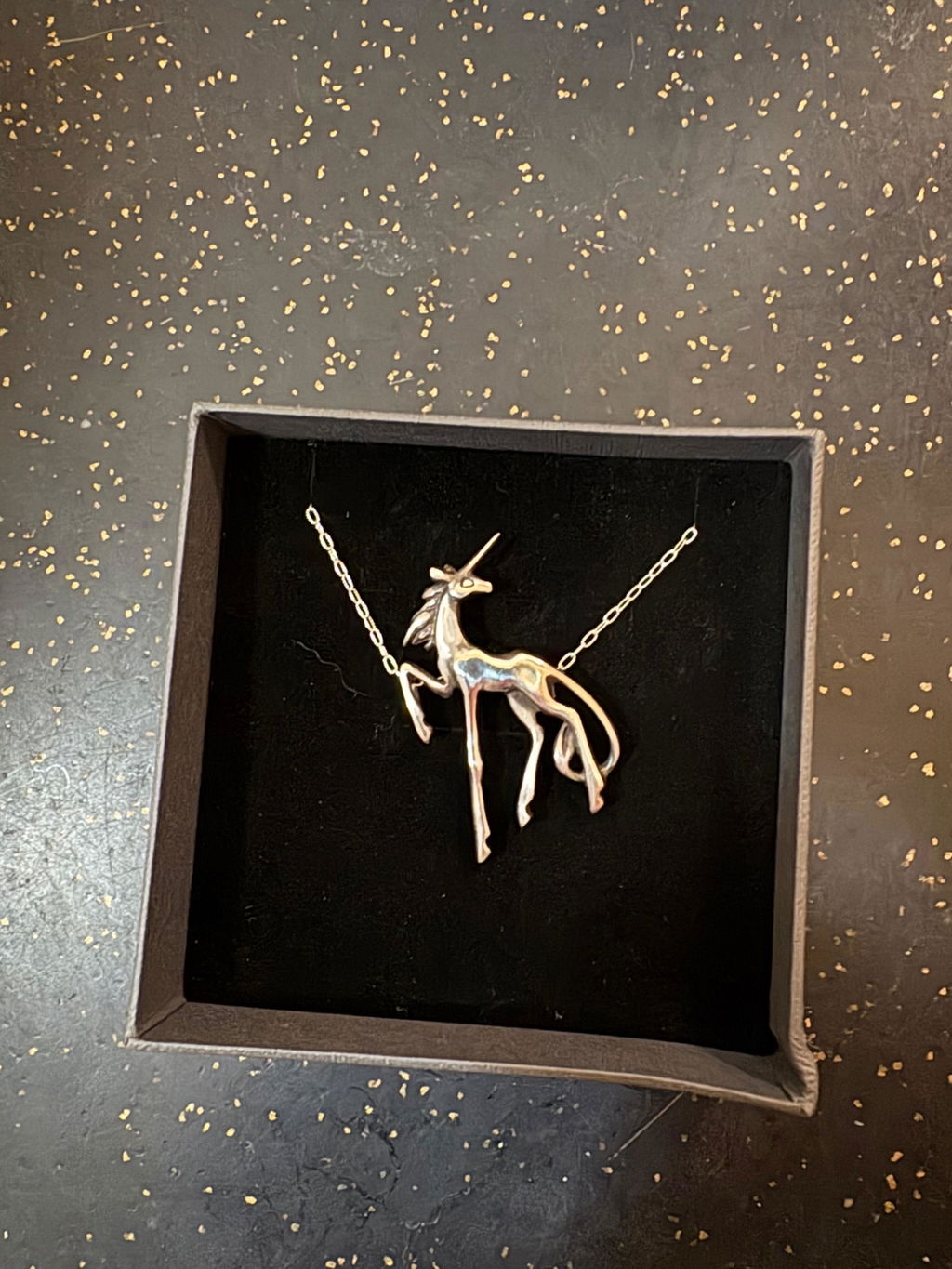
A silver jewelry piece today is increasingly perceived as more than an accessory. It carries material value, design value, and longevity.
When a piece is made from sterling silver, has tangible weight, and is designed to endure visually and physically, it becomes something closer to an elegant form of capital. Not in the sense of short-term resale, but as an object that retains worth through time, use, and presence.
Final thoughts
In the near future, silver is likely to remain expensive and dynamic. For jewelry brands, this is not a signal to retreat, but to work with even greater respect to the medium.
For clients, substantial silver jewelry increasingly represents a choice that combines beauty, permanence, and material reality. Silver is changing its role in the world, and jewelry made from it is changing along with it.
Silver price reference
https://silverprice.org/silver-price-history.html